Do you attend road traffic accident scenes as well as workshops?
Yes. Where it is safe and we have been asked to attend, the work can cover the scene itself as well as the service vehicles used there.
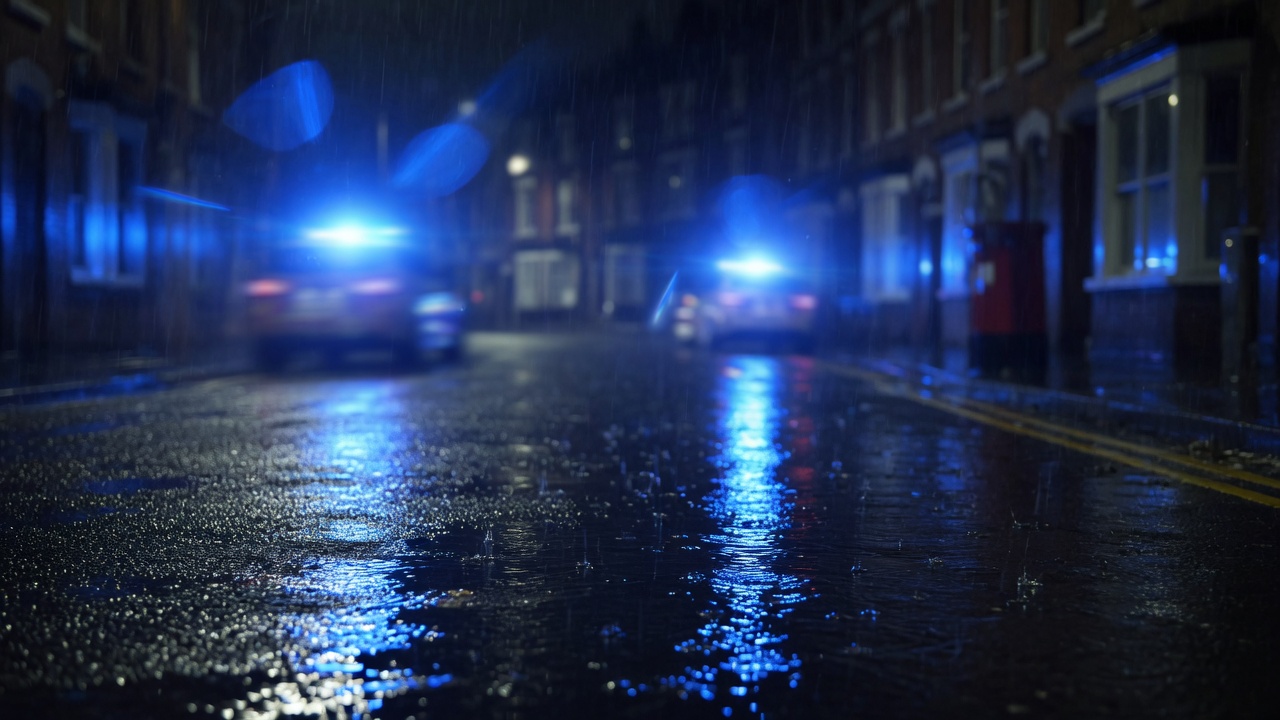
A contaminated police car, ambulance or other service vehicle is a vehicle that cannot go back on the road until it has been properly cleaned. Response 24/7 decontaminates those vehicles, and attends road traffic accident scenes, for emergency services and the contractors who look after their fleets.
A person answers, day and night. Vehicles and crews are unmarked where the situation calls for it.
Vehicle decontamination covers the interior and, where needed, the exterior of police, ambulance and other service vehicles after an incident, an arrest, a medical attendance or a road traffic accident. Blood, bodily fluids, glass, debris and contaminated equipment in the cabin, the load space or the equipment bays are cleaned or removed.
At a road traffic accident the work can also include the carriageway, the verge and any service vehicle that has been used at the scene, once it is safe and authorised to work there. Material that cannot stay in the vehicle is taken for licensed clinical or hazardous waste disposal. The aim is to return the asset in a condition that can be put back into service, with certification of what has been done.
The same service is used for cars, vans, ambulances and other specialist vehicles in a fleet. Each job is approached as a decontamination, not as a valet, because the standard that matters is whether the vehicle is safe for the next crew and the next member of the public.
Police, ambulance and fire services use the work to get vehicles back into operational use. Fleet managers and facilities contractors who hold contracts for those fleets call the same number. Councils and other public bodies use the service for their own response vehicles when an incident has left a cabin or a load space contaminated.
The caller is often a control room, a workshop supervisor or a duty officer who needs a clear account of when the vehicle can be collected or driven again. Housing providers and other organisations with their own liveried vehicles also use the service after an incident.
A person answers, day and night. Attendance can be at a workshop, a station yard or, where it is safe to do so, at the roadside after a road traffic accident. Vehicles and crews used for the clean itself are unmarked where the situation calls for it.
When the work is finished, full certification is issued so the fleet or the contract manager has a record that the vehicle has been decontaminated.
Yes. Where it is safe and we have been asked to attend, the work can cover the scene itself as well as the service vehicles used there.
No. It is a decontamination of a vehicle that has been affected by an incident, including taking out contaminated material and a record of the work completed.
Police, ambulance and other service vehicles, including cars, vans and specialist fleet vehicles. Public bodies and facilities contractors with similar vehicles can use the same service.
A control room, a duty officer, a workshop supervisor or a fleet or facilities manager. A person answers the number day and night.
Full certification of the decontamination, so the vehicle’s return to service is documented.
A person answers, day and night. Tell us what has happened and we will take the details.